
Sustainability isn’t just a buzzword anymore — it’s the future of food packaging. As consumers become more eco-conscious and regulations tighten, brands are innovating faster than ever. In 2025, these five trends are shaping how food is packaged, delivered, and perceived.
1. Compostable & Fully Biodegradable Materials
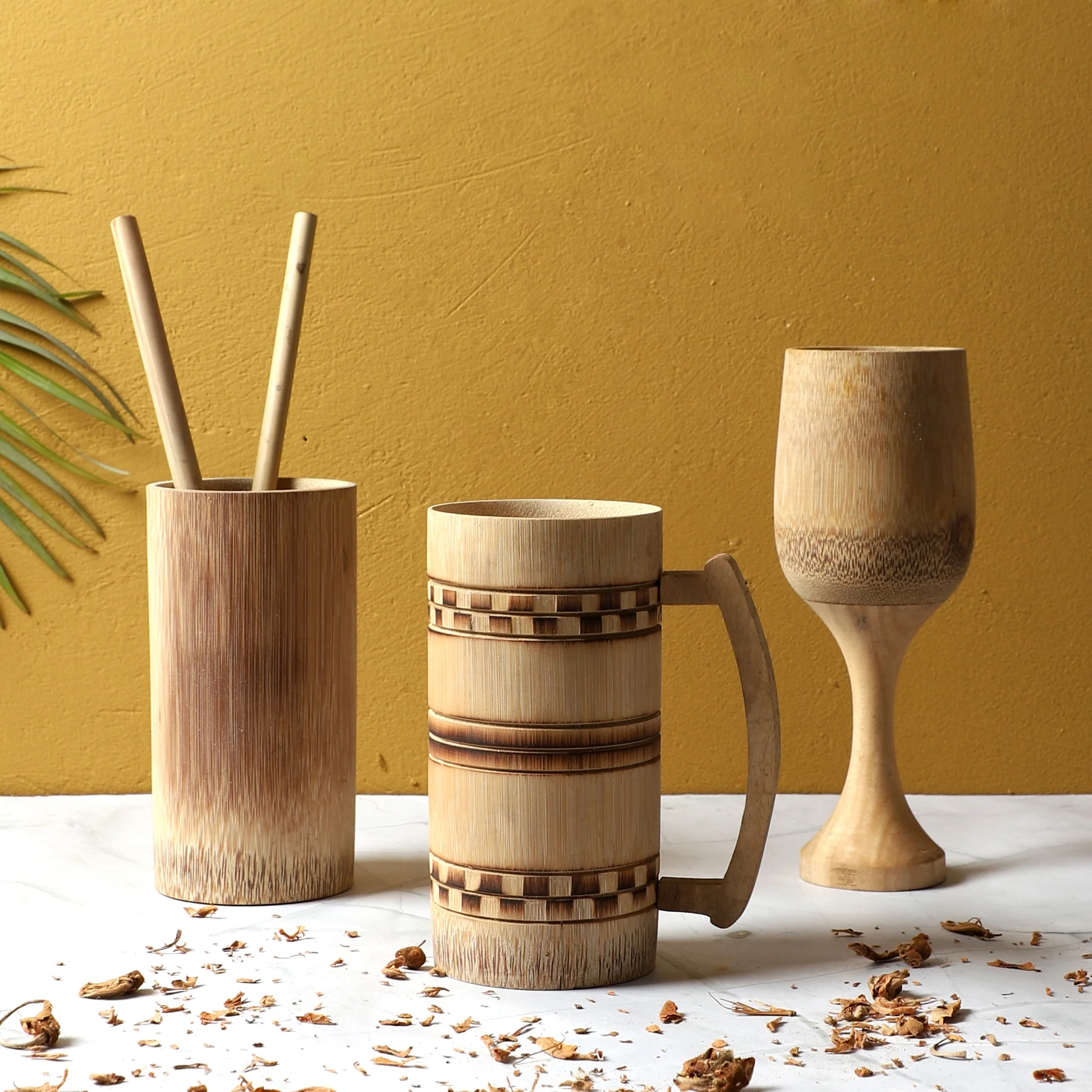
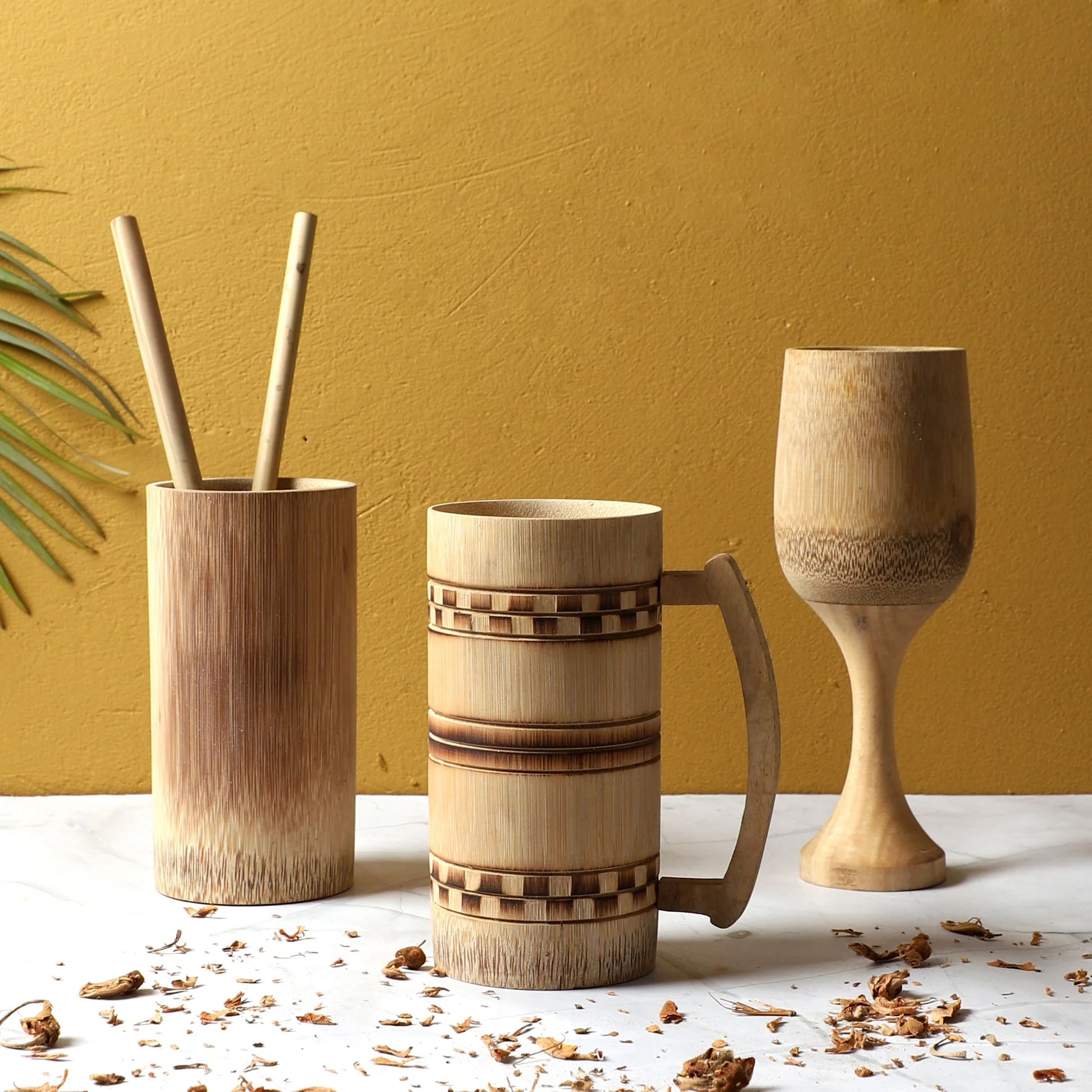
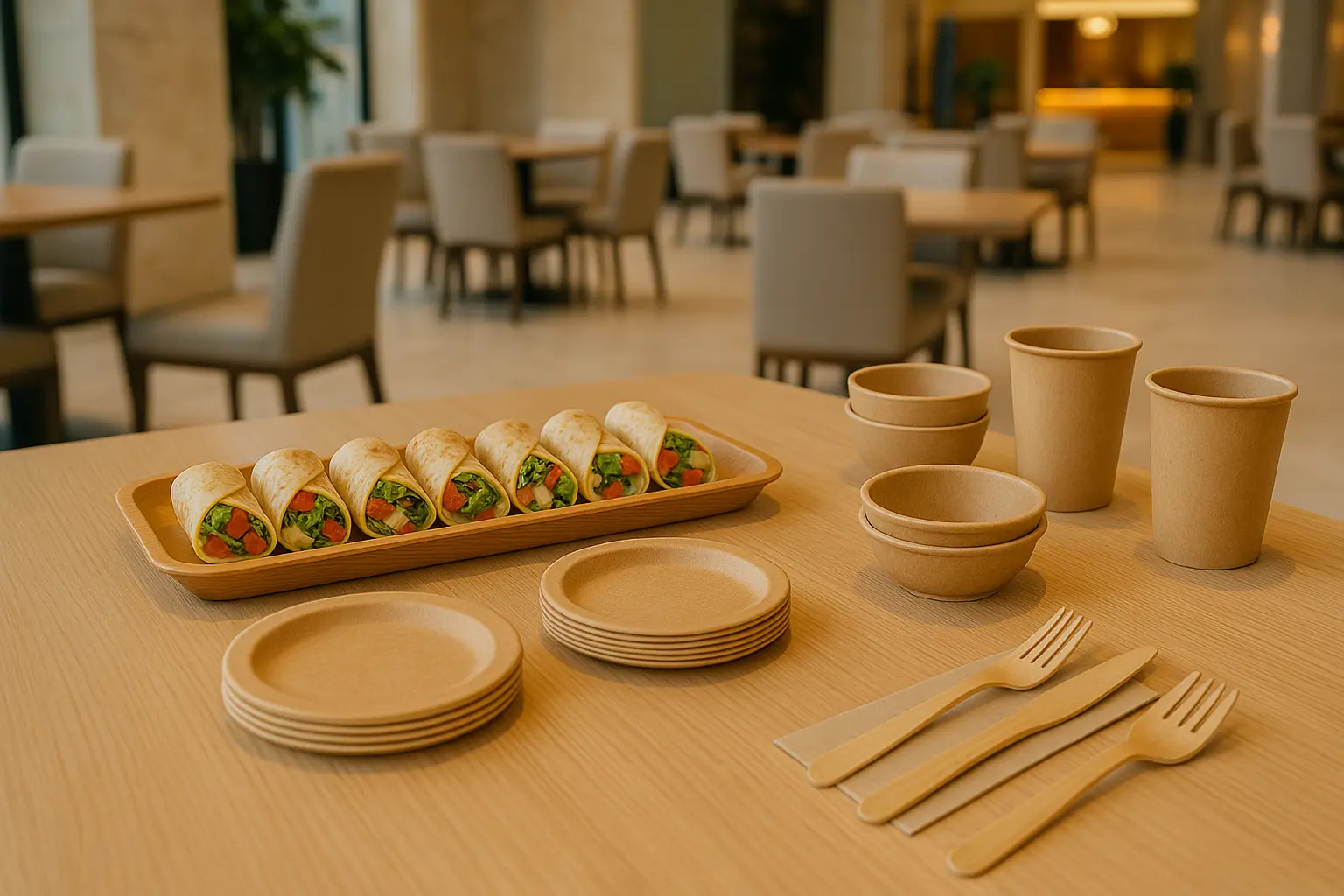
Plastic is losing ground. Compostable films, plant-based polymers, and biodegradable trays are replacing conventional packaging. These materials break down naturally, reducing landfill waste and environmental impact.
2. Edible Packaging
Imagine wrapping snacks in packaging you can eat! Edible packaging — made from seaweed, starch, or milk proteins — is gaining popularity, especially for on-the-go foods and single-serve items. It’s zero waste and super fun.
3. Recycled Content & Circular Packaging
Brands are designing packaging that’s made from post-consumer recycled materials (PCR). Packaging that can be reused, refilled, or return-to-store supports a circular economy and minimizes new resource consumption.
4. Minimalist Packaging
Less is more. Minimalist design reduces excess materials, cuts costs, and delivers a cleaner aesthetic. With clever engineering, companies are eliminating unnecessary layers and using lightweight structures that still protect food.
5. Smart & Reusable Packaging
Tech meets sustainability. QR codes and smart labels educate consumers on recycling and reuse. Reusable containers — part of deposit-return systems — encourage repeat use, especially in delivery and takeaway models.
🚀 Why It Matters
Eco packaging isn’t just good for the planet — it builds brand trust, meets consumer demand, and often reduces costs in the long run. As 2025 unfolds, these trends will help shape a greener, smarter food industry.
🌍 Sustainable choices today mean a healthier planet tomorrow.