

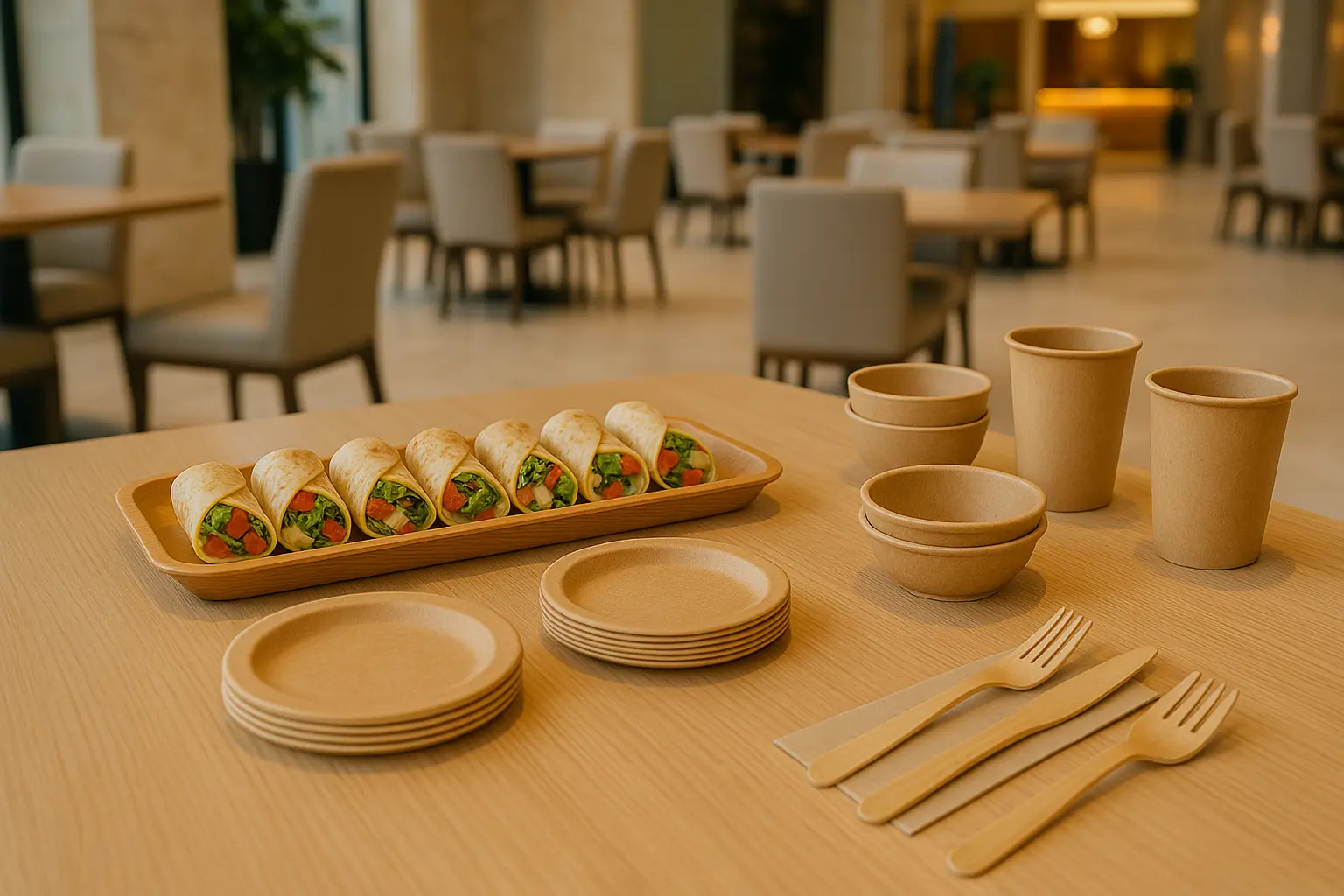
As the world seeks sustainable materials to replace plastic, bamboo has emerged as a front-runner — and for good reasons. This fast-growing plant isn’t just eco-friendly; it outperforms many traditional and alternative materials in durability, versatility, and environmental impact.
Here’s why bamboo is winning global attention:
1. Rapid Growth & Renewability
Unlike trees that can take decades to mature, bamboo grows incredibly fast — some species up to a meter per day. Because it regenerates without replanting, bamboo is one of the most renewable resources on Earth. This means more material with less ecological strain.
2. Carbon-Sequestration Superstar
Bamboo absorbs carbon dioxide and releases oxygen at higher rates than many trees. It helps combat climate change by storing carbon in its dense biomass. For industries aiming to reduce carbon footprints, bamboo is a natural climate ally.
3. Biodegradable & Chemical-Free
Traditional plastics take hundreds of years to break down and release harmful toxins. Bamboo, on the other hand, is naturally biodegradable — returning to soil without leaving microplastic waste. It also grows without heavy pesticides or fertilizers, making it cleaner from farm to product.
4. Strength Meets Versatility
Don’t be fooled by its natural look — bamboo is strong. It rivals many woods and even some plastics in tensile strength. That’s why it’s used in products ranging from food packaging, cutlery, and toothbrushes to textiles and building materials. Its adaptability boosts its global appeal.
5. Consumer & Corporate Demand
People want sustainable products — and brands are responding. Bamboo’s eco-credentials make it attractive to conscious buyers and businesses alike. Companies seeking greener alternatives are investing in bamboo supply chains, accelerating its adoption globally.
6. Lower Environmental Cost
Compared with other plastic alternatives like bioplastics or recycled plastics, bamboo often requires less energy, water, and processing — translating to a smaller environmental footprint. Plus, it supports rural economies where it’s grown.
🌍 In Summary
Bamboo isn’t just an alternative — it’s a smart replacement for plastic. Its rapid renewability, biodegradability, strength, and low impact make it a standout choice for a sustainable future. As both consumers and companies shift toward greener practices, bamboo’s global momentum is only set to grow.
🌱 Sustainable choice. Strong performance. Global impact. Th